
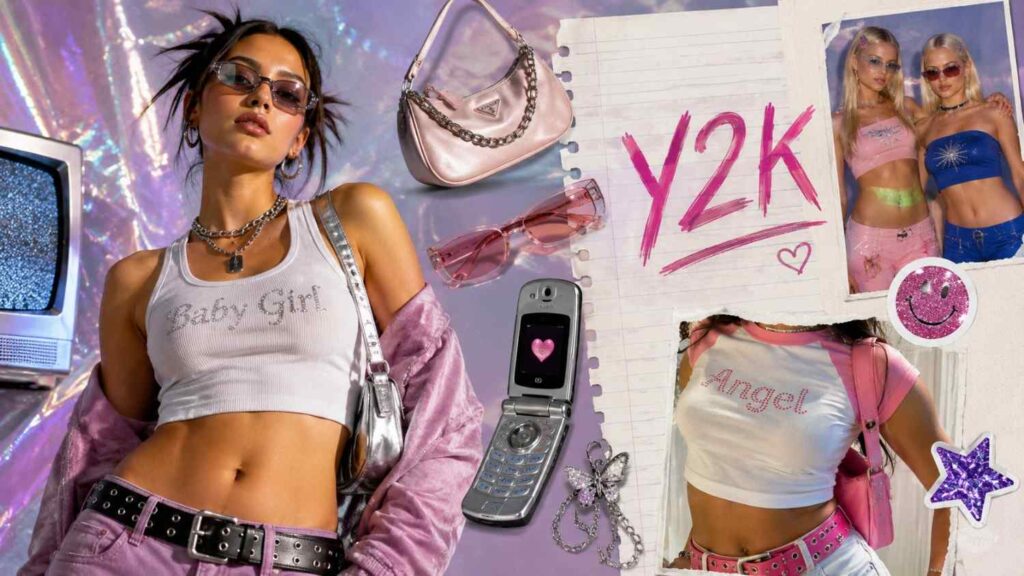
The Return of Y2K Fashion: How to Style It Today
The return of Y2K fashion demonstrates one of the clearest patterns in the fashion industry: trends rarely disappear permanently. Instead, they move out of the mainstream, remain visible in archives and subcultures, and return when a new generation discovers them. Early-2000s fashion has followed that pattern, moving from an era that was once dismissed as excessive or awkward to one of the most influential reference points in current styling.
Baby tees, cargo trousers, denim skirts, bootcut jeans, narrow sunglasses, platform shoes, glossy fabrics, visible logos, and compact shoulder bags are now appearing across social media, vintage stores, street style, and fashion collections. Yet the modern revival is not a perfect copy of what people wore in 2001 or 2003. Today’s version is more flexible, more inclusive, and usually more aware of comfort, proportion, and individual preference.
Understanding the difference between inspiration and imitation is important. A head-to-toe recreation of an old celebrity outfit may work for a themed event, but it can feel impractical in everyday life. Modern Y2K styling works best when nostalgic pieces are placed beside current basics, cleaner tailoring, and updated footwear.
This guide explores the history behind the aesthetic, the most useful pieces to consider, the mistakes that make an outfit feel dated, and the practical methods that make Y2K fashion wearable today. It also explains how to adapt the trend for different occasions, ages, body types, comfort levels, and shopping budgets.
What Is Y2K Fashion and Why Has It Returned?
Y2K fashion refers to clothing and accessories influenced by the cultural atmosphere surrounding the late 1990s and early 2000s. The term “Y2K” originally referred to the Year 2000 computer problem, but it later became associated with the broader mood of the millennium. Fashion from this period reflected excitement about digital technology, celebrity culture, global pop music, reality television, and the increasingly visible influence of the internet.
The style was never a single uniform. One side of the aesthetic was futuristic, featuring metallic materials, technical fabrics, narrow glasses, glossy surfaces, dark colours, straps, and cyber-inspired silhouettes. Another side was playful and celebrity-driven, with velour tracksuits, denim, bright colours, rhinestones, logo bags, tiny tops, and platform footwear. Streetwear, sportswear, preppy clothing, and pop-star glamour all existed within the same broad era.
Its return is driven by more than nostalgia. Younger shoppers are discovering the period through archived photographs, music videos, films, resale platforms, and social media. People who originally experienced the era are also revisiting familiar styles with more confidence and purchasing power. At the same time, the repetitive cycle of fashion has made early-2000s silhouettes feel fresh after years dominated by minimalism, neutral colours, high-waisted jeans, and understated accessories.
The modern revival also allows people to edit the past. Instead of accepting every uncomfortable or restrictive element, wearers can choose the aspects that feel expressive while leaving behind those that do not suit their bodies, values, or daily routines.
What Defined the Original Y2K Aesthetic?
The original Y2K aesthetic was shaped by a powerful mixture of technology, entertainment, celebrity culture, and optimism about the future. Designers and popular brands experimented with metallic fabrics, synthetic textures, reflective surfaces, unusual cut-outs, fitted silhouettes, straps, buckles, and accessories that resembled digital devices. Films such as The Matrix helped popularise a darker, more futuristic interpretation built around black clothing, narrow sunglasses, leather, and streamlined shapes.
At the same time, mainstream pop culture produced a brighter and more casual form of the look. Singers, actors, models, and reality television personalities wore low-rise jeans, baby tees, tracksuits, denim-on-denim combinations, handkerchief tops, colourful bags, rhinestones, and visibly branded accessories. Outfits were often body-conscious, playful, and designed to attract attention.
The period also included several competing influences. Preppy cardigans and pleated skirts existed beside oversized streetwear, cargo trousers, and sporty jackets. Minimal slip dresses appeared alongside graphic prints, colourful accessories, and heavily embellished denim.
This variety matters because it gives modern wearers more freedom. Someone who dislikes low-rise jeans can explore retro-futurism, sporty Y2K clothing, or early-2000s tailoring instead. The era offers a wide range of references rather than one compulsory formula.
Why Is 2000s Fashion Popular Again?
The return of early-2000s fashion has been accelerated by social media, celebrity styling, resale culture, and the speed with which visual trends now circulate. Platforms such as TikTok and Instagram allow a single archival outfit, film costume, or celebrity photograph to reach millions of viewers within days. Younger audiences can discover an entire fashion period without having experienced it first-hand, while older audiences may feel a direct emotional connection to clothing they wore during their teens or early adulthood.
Resale platforms have also made original items easier to find. Vintage bags, denim, graphic tops, tracksuits, and accessories are now marketed using terms such as Y2K, archive, retro, and early 2000s. This availability gives the revival a sense of authenticity because shoppers can purchase actual garments from the era rather than only modern reproductions.
Fashion cycles provide another explanation. After long periods of high-rise trousers, minimal jewellery, neutral colours, and simple silhouettes, the playful excess of the early 2000s offers contrast. Trends often return when the dominant style begins to feel predictable.
Recent analyses of the Y2K fashion revival also highlight how social media, celebrity influence, and vintage shopping have helped bring early-2000s styles back into everyday wardrobes.
However, the current revival is selective. Modern wearers are combining nostalgic elements with improved fabrics, inclusive sizing, updated tailoring, and more practical footwear. The trend succeeds because it offers emotional familiarity while still leaving space for personal interpretation.
Which Y2K Fashion Pieces Are Worth Wearing Now?
Not every item associated with the early 2000s deserves a permanent place in a modern wardrobe. Some garments work well because they are versatile, easy to combine, and adaptable across seasons. Others are so distinctive that they may only support one or two outfits. A practical approach begins by identifying pieces that fit your existing wardrobe rather than buying an entirely separate collection of trend-led clothing.
The most useful Y2K-inspired garments often have recognisable shapes but relatively simple finishes. A ribbed baby tee, relaxed cargo trousers, bootcut jeans, a fitted cardigan, or a compact shoulder bag can be styled in several ways. By contrast, an item covered in rhinestones, slogans, extreme cut-outs, and oversized logos may be more difficult to wear repeatedly.
Fabric quality should also influence your decisions. Many cheap trend reproductions use thin synthetic materials, weak seams, and decorative details that deteriorate quickly. A better-quality basic with a Y2K silhouette will usually provide more value than an exaggerated piece that becomes uncomfortable or damaged after a few wears.
Colour is another useful filter. Black, white, grey, denim blue, chocolate brown, navy, and muted pink can make nostalgic shapes easier to integrate into a modern wardrobe. Brighter colours, metallics, and prints can then be added through one garment or accessory.
One thing I always recommend is starting with the category you already wear most. If you live in jeans, try bootcut or relaxed denim. If you prefer dresses, consider a slip dress or fitted mini layered with a jacket. The trend should adapt to your wardrobe, not replace it.
| Y2K Fashion Item | Primary Style Purpose | Best Modern Pairing | Suitable Occasion |
|---|---|---|---|
| Baby Tees | Create a classic Y2K silhouette | Straight-leg or baggy jeans | Casual outings |
| Cargo Pants | Add relaxed streetwear appeal | Fitted tank top or cropped tee | Everyday wear |
| Baggy Denim | Comfortable retro styling | Ribbed top and sneakers | Weekend outfits |
| Denim Mini Skirt | Feminine Y2K aesthetic | Oversized blazer or cardigan | Brunch or shopping |
| Platform Shoes | Add height and nostalgic style | Jeans, skirts, or dresses | Casual & evening |
| Baguette Bag | Signature Y2K accessory | Minimal modern outfit | Daily styling |
| Tinted Sunglasses | Complete the Y2K look | Neutral outfits | Outdoor events |
Baby Tees, Camisoles and Fitted Tops
Baby tees, fitted cardigans, ribbed tanks, halter tops, tube tops, and lace-trim camisoles are among the most recognisable elements of early-2000s fashion. Their fitted shape works particularly well with looser bottoms, including baggy jeans, cargo trousers, parachute pants, and longer skirts. This contrast creates a balanced silhouette while keeping the outfit visually connected to the Y2K aesthetic.
A baby tee does not need to be extremely short or tight. Modern versions are available in several lengths, from cropped styles that sit above the waistband to slightly longer cuts that provide full coverage. Choose a neckline, sleeve length, and fabric weight that feel comfortable. A thicker ribbed cotton generally looks more polished and provides better structure than a very thin material.
Camisoles can be styled alone in warm weather or layered beneath blazers, cardigans, denim jackets, and open shirts. Lace trims, satin finishes, and delicate straps create a nostalgic effect, but the rest of the outfit should remain controlled.
Graphic tops require slightly more care. A small print or subtle slogan can work with simple denim, while a heavily embellished top may need understated accessories. The objective is to let the fitted top establish the era without forcing every other element to compete for attention.
Related Articles
Denim, Cargo Pants and Mini Skirts
Denim was central to early-2000s wardrobes, appearing in jeans, skirts, jackets, dresses, bags, and coordinated outfits. For a modern interpretation, bootcut, relaxed, straight-leg, and baggy jeans are often the easiest options. They provide the shape of the era while remaining practical for everyday wear. Low-rise denim is available, but it is not essential for creating an authentic Y2K-inspired look.
Cargo pants and parachute trousers offer another strong foundation. Their loose fit, visible pockets, drawstring details, and technical fabrics reflect the sporty and streetwear side of the period. Pairing them with a fitted top creates proportion, while an oversized jacket can produce a more relaxed, layered result.
Denim mini skirts are highly recognisable but should be chosen according to comfort and intended use. Longer denim skirts, cargo skirts, or straight midi versions can create a similar mood with more coverage. Raw hems, utility pockets, faded washes, and panelled construction can all reinforce the early-2000s influence.
Fit matters more than the label. Check how the waistband sits when you walk, bend, and sit. Ensure that trouser hems work with your usual footwear. A Y2K-inspired bottom should support movement and repeated wear rather than forcing you to adjust your clothing throughout the day.
Platform Shoes and Statement Accessories
Footwear and accessories provide one of the simplest ways to experiment with Y2K fashion. Platform trainers, chunky sandals, knee-high boots, kitten heels, pointed boots, and casual flip-flops all appeared during the period. The correct choice depends on the outfit, occasion, and amount of walking involved. A platform shoe may look appealing, but stability, weight, and sole flexibility should be checked before purchase.
Compact shoulder bags, often called baguette bags, are another accessible entry point. They work with jeans, dresses, tailoring, and evening outfits without dominating the complete look. Metallic finishes, patent textures, visible buckles, and colourful fabrics can add a stronger nostalgic reference, while black or brown versions offer greater versatility.
Narrow sunglasses, hoop earrings, wide belts, colourful hair clips, rhinestone details, and layered necklaces can reinforce the aesthetic. However, accessories should be edited carefully. Wearing every recognisable detail together can make an outfit feel theatrical.
A useful method is to select one main accessory and one supporting detail. For example, pair a metallic shoulder bag with simple hoop earrings, or wear tinted sunglasses with an understated belt. This creates visual interest while maintaining control. Accessories should complete the outfit rather than compete with the clothing.
How to Style Y2K Fashion Without Looking Like a Costume
The difference between a modern Y2K outfit and a costume usually comes down to editing. When every item strongly references the same era, the outfit can appear as though it was assembled for a themed party. A rhinestone tracksuit, tinted glasses, platform trainers, butterfly clips, a logo bag, and multiple layers of jewellery may all be individually accurate, but combining them at once can remove any sense of personal style.
A more professional approach treats Y2K fashion as a source of inspiration rather than a strict dress code. Begin by identifying which part of the aesthetic you genuinely like. You may prefer sporty cargo trousers, glamorous satin tops, futuristic metallic fabrics, preppy cardigans, or casual denim. Building around one direction creates a more coherent result than combining several unrelated references.
Colour control is also important. A limited palette makes bold silhouettes easier to wear. Neutral shades can support an unusual cut, while one bright colour or metallic accessory can become the focal point. Similarly, modern grooming and simple hair styling can prevent a nostalgic outfit from feeling overly literal.
Fabric quality, fit, and condition strongly affect the final impression. A well-cut baby tee and structured pair of trousers will look more intentional than poorly fitted items selected only because they appear “Y2K.” The same principle applies to vintage pieces, which should be cleaned, repaired, and styled with care.
Ultimately, the outfit should still resemble your normal way of dressing. The trend should add personality to your wardrobe rather than erase it.
| Styling Element | Recommended Approach | Avoid |
|---|---|---|
| Statement Pieces | Use one standout Y2K item per outfit | Wearing multiple bold Y2K trends together |
| Outfit Balance | Mix fitted tops with relaxed bottoms | Wearing everything oversized or skin-tight |
| Accessories | Add one or two signature accessories | Overloading with butterfly clips, belts, and chunky jewelry |
| Colour Palette | Blend neutral basics with nostalgic colours | Mixing too many bright metallic shades |
| Layering | Combine Y2K items with modern wardrobe staples | Recreating a full early-2000s celebrity outfit |
| Footwear | Match shoes with the occasion and outfit proportions | Choosing style over comfort |
| Personal Style | Adapt trends to your comfort and lifestyle | Copying trends without considering practicality |
Follow the One-Statement-Piece Rule
The one-statement-piece rule is an effective starting point for anyone learning how to style Y2K fashion. Choose one garment or accessory that clearly represents the era, then surround it with quieter pieces. A metallic bag can be worn with a plain black dress. Cargo trousers can be paired with a simple fitted tank. A velour jacket can sit over straight-leg jeans and clean trainers.
This method allows the nostalgic item to remain visible without turning the complete outfit into a collection of references. It also makes styling easier because modern basics usually have cleaner shapes and more neutral colours.
Once you become comfortable with the look, you can add a second supporting detail. For example, combine a baby tee with baggy denim and a small shoulder bag, but keep the footwear and jewellery minimal. The second element should reinforce the first rather than compete with it.
The rule is particularly useful when shopping. Before buying a bold piece, imagine at least three outfits using items you already own. If the garment only works when paired with several additional trend purchases, it may not be a practical investment. A strong statement piece should add variety to your wardrobe without requiring a complete replacement of your existing clothes.
Balance Fitted and Relaxed Proportions
Silhouette balance is one of the most important elements of successful Y2K styling. Early-2000s fashion often contrasted fitted tops with loose or flared bottoms. A baby tee with wide-leg jeans, a close-fitting cardigan with cargo trousers, or a satin camisole with bootcut denim creates a recognisable shape while keeping the outfit visually balanced.
The reverse approach can also work. An oversized graphic top or sporty jacket can be paired with a straight skirt, fitted trousers, or a simpler mini. The goal is to create contrast rather than making every garment equally tight or equally oversized.
Body proportions, height, fabric weight, and footwear should influence the final combination. Very wide trousers may require a fitted or partially tucked top to define the waist. A longer oversized jacket may work better with a straighter bottom than with extremely baggy trousers. Platform shoes can add height, but the hem should not drag on the ground.
Balance does not mean hiding the body or following rigid rules. It means creating an intentional relationship between the garments. Try taking a full-length photograph before leaving home. A photograph often reveals whether one area appears too heavy, whether the outfit needs more structure, or whether a simple adjustment would improve the overall shape.
Mix Nostalgic Pieces With Modern Basics
Combining nostalgic garments with modern basics is the most reliable way to make Y2K fashion feel relevant. Contemporary tailoring, clean outerwear, minimal trainers, structured bags, and simple jewellery can update an early-2000s piece without removing its personality. A lace-trim camisole becomes more polished beneath an oversized blazer, while cargo trousers look more refined with a fitted knit and streamlined shoes.
Modern basics also help control colour, texture, and proportion. If the nostalgic garment includes rhinestones, metallic fabric, a bright print, or a visible logo, the supporting pieces should usually remain simple. Black, white, cream, navy, grey, and denim provide a stable background for more expressive details.
This balanced approach reflects current modern Y2K styling recommendations, which focus on blending nostalgic pieces with timeless wardrobe staples instead of recreating full early-2000s outfits.
The mixture can also work in reverse. A simple modern outfit can gain a Y2K reference through one accessory, such as narrow sunglasses, a compact shoulder bag, or a wide belt. This is useful for professional settings or for people who prefer subtle styling.
In my experience, a wardrobe ratio of approximately one-third nostalgic pieces and two-thirds contemporary basics produces the most wearable result. It is not a strict formula, but it prevents the trend from overwhelming the individual. The outfit should look current first and nostalgic second, especially when worn outside fashion-focused environments.
What Are the Best Y2K Outfit Ideas for Different Occasions?
Y2K outfit ideas should be adjusted according to the setting rather than treated as one fixed uniform. A festival outfit can include practical cargo trousers, a fitted top, boots, and a crossbody bag, while a smart-casual dinner may require a satin camisole, dark denim, and a tailored jacket. The nostalgic reference can remain visible even when the level of formality changes.
Begin by considering the practical requirements of the occasion. Think about temperature, walking distance, seating, dress codes, storage needs, and expected activity. An outfit may look effective in a photograph but fail if the shoes become painful, the waistband feels restrictive, or the bag cannot hold essential items.
The strongest outfit formulas also create a clear focal point. For casual dressing, the focus may be relaxed denim or cargo trousers. For evening wear, it may be a metallic top, a fitted mini dress, or a compact glossy bag. Professional environments usually benefit from subtler details, such as bootcut trousers, fitted cardigans, or small shoulder bags.
Layering allows the same core pieces to work across several occasions. A baby tee can be worn alone during the day, under a denim jacket for casual evenings, or beneath a blazer for a cleaner smart-casual outfit. Similarly, a satin camisole can move from daytime to evening depending on the trousers, shoes, and outerwear used.
The table below provides practical formulas that can be adjusted for climate, comfort, and personal style.
| Occasion | Main Y2K Piece | Modern Supporting Pieces | What to Avoid |
|---|---|---|---|
| Everyday casual | Baby tee or cargo pants | Straight jeans, trainers, simple bag | Too many bold accessories |
| Smart casual | Satin camisole | Blazer, tailored trousers, loafers | Extremely distressed denim |
| Evening | Mini skirt or metallic top | Clean jacket, simple heels | Competing statement pieces |
| Festival | Graphic top or parachute pants | Boots, practical crossbody bag | Uncomfortable footwear |
| Cooler weather | Velour jacket or fitted cardigan | Long coat, relaxed denim | Too many bulky layers |
Casual Y2K Outfit Formula
A casual Y2K outfit should feel comfortable enough for regular activities while still showing a clear connection to the era. A practical formula begins with a fitted baby tee or ribbed tank, relaxed jeans, platform trainers, and a compact shoulder bag. The top provides the nostalgic shape, while the loose denim creates balance and allows movement.
Accessories should remain limited. Narrow sunglasses, hoop earrings, or a colourful hair clip can strengthen the look, but using all three may feel excessive. Select the detail that best suits your face shape, hairstyle, and usual accessories.
For people who prefer more coverage, replace the baby tee with a fitted cardigan, a longer graphic T-shirt, or a tank layered over a plain short-sleeved top. Cargo trousers can replace denim, while flat trainers can replace platforms. The outfit will still feel Y2K because the silhouette and accessories carry the reference.
Weather should guide your layers. Add a cropped denim jacket, sporty zip-up, or lightweight bomber during cooler months. Avoid combining too many oversized layers, as this can remove shape from the outfit. A casual formula works best when one element remains fitted or structured, creating a clear outline without sacrificing comfort.
Smart-Casual Y2K Outfit Formula
Smart-casual Y2K styling requires a controlled mixture of nostalgic details and polished wardrobe pieces. One reliable formula combines a satin or lace-trim camisole with a structured blazer, dark bootcut jeans or tailored trousers, a slim belt, and loafers or kitten heels. The camisole provides the early-2000s reference, while the blazer and clean footwear raise the level of formality.
Colour coordination is especially important. Neutral combinations such as black and cream, navy and silver, or brown and pale pink can make the outfit appear more intentional. If the top has lace, shine, or embellishment, keep the trousers and jacket relatively simple.
A fitted cardigan can replace the camisole in workplaces or environments that require more coverage. Small shoulder bags, subtle hoop earrings, and narrow belts can add further Y2K influence without making the outfit unsuitable for a restaurant, creative office, or social gathering.
Check the dress code before wearing distressed denim, transparent fabrics, very short hemlines, or extreme cut-outs. Smart-casual dressing does not eliminate creativity, but it requires judgement. The best result should communicate the trend through proportion, fabric, and accessories rather than depending on highly revealing or heavily branded pieces.
Evening or Festival Outfit Formula
Evening and festival settings allow more freedom, but practicality should still guide the outfit. For a festival, parachute trousers or cargo pants can be paired with a fitted top, supportive boots, and a secure crossbody bag. This combination provides storage, movement, and protection while retaining a strong Y2K streetwear influence.
An evening outfit can be built around a denim mini skirt, satin top, metallic blouse, or fitted dress. Add a simple jacket, clean heels or boots, and one compact statement bag. If the main garment is already bright, glossy, or embellished, reduce the jewellery and keep the remaining colours controlled.
Weather and duration matter. Festivals may involve long periods of standing, uneven ground, changing temperatures, and limited storage. Shoes should be worn before the event to confirm comfort. Bags should close securely and remain close to the body. Lightweight jackets or shirts can be tied around the waist without disrupting the silhouette.
Avoid choosing an outfit only for photographs. A successful festival or evening look should survive several hours of movement. Fashion becomes less effective when the wearer is constantly adjusting straps, pulling down a skirt, or struggling with unstable footwear.
How Can You Adapt Y2K Fashion to Your Comfort and Body?
The original Y2K era often promoted narrow beauty standards, body-conscious clothing, and silhouettes that were not designed with every wearer in mind. Recreating those limitations is unnecessary. Modern Y2K fashion should be adapted to individual comfort, mobility, body shape, cultural preferences, and daily responsibilities.
The first step is identifying which elements of the aesthetic appeal to you. Someone may enjoy bootcut jeans and small shoulder bags but dislike cropped tops. Another person may prefer metallic accessories, sporty jackets, or velour without wanting low-rise trousers. Selecting individual elements is more effective than forcing yourself into a complete look that feels uncomfortable.
Fit should be judged through movement rather than appearance alone. Sit, walk, reach, and bend when trying on clothing. Check whether waistbands shift, tops ride upward, straps fall, or skirts restrict movement. A garment that requires constant adjustment will rarely become a useful part of your wardrobe.
Layering provides additional flexibility. Camisoles can be worn over fitted T-shirts, mini dresses can be styled with trousers, and cropped tops can be combined with high- or mid-rise bottoms. Longer jackets, cardigans, and overshirts can offer coverage while adding dimension.
Age-based rules should also be questioned. Y2K fashion is a design reference, not an age category. Adults of any age can use bootcut tailoring, compact bags, fitted knitwear, metallic details, or sporty outerwear. The key is selecting versions that suit the individual rather than copying the styling of a teenager or celebrity from twenty years ago.
Choose Your Own Rise and Hemline
Low-rise jeans are strongly associated with early-2000s fashion, but they are not compulsory. Mid-rise bootcut jeans, relaxed high-waisted cargos, wide-leg denim, and straight trousers can create a similar silhouette through their cut, wash, pocket placement, and styling. The waistband should sit where you feel secure rather than where a trend dictates.
Hemlines should be treated with the same flexibility. Denim mini skirts are one recognisable Y2K option, but knee-length cargo skirts, longer denim skirts, layered dresses, and straight midi styles can offer a similar reference with more coverage. Raw hems, utility details, faded washes, or visible seams can communicate the era without requiring a very short length.
When shopping online, rely on measurements rather than size labels. Compare waist, hip, rise, inseam, and garment length with an item you already own. Product photographs can be misleading when the model’s height or body proportions are not stated.
Footwear must also work with the hem. Bootcut and wide-leg trousers should fall cleanly without dragging. Longer skirts should allow a comfortable walking stride. Choosing your own rise and hemline does not weaken the trend. It creates a more functional and sustainable version that you are more likely to wear repeatedly.
Create More Modest Layered Outfits
Modest Y2K fashion can be created through thoughtful layering rather than removing every recognisable element of the aesthetic. A lace-trim camisole can be worn over a fitted T-shirt or beneath a cardigan. A baby tee can be layered over a long-sleeved top, while a mini dress can be styled with straight trousers or opaque tights.
Longer cargo skirts, relaxed denim, oversized shirts, sporty jackets, and fitted cardigans offer additional coverage. The contrast between a fitted inner layer and a loose outer layer can still reproduce the proportion associated with early-2000s outfits.
Colour and texture help make layered combinations feel intentional. A white T-shirt beneath a coloured camisole creates a clean contrast. A monochrome base can support a printed dress or glossy jacket. Avoid adding too many unrelated colours, fabrics, and patterns, as layered outfits already contain more visual information.
Climate should also influence the approach. Lightweight cotton and breathable layers work better in warm regions, while fitted knits, denim jackets, and long coats suit cooler weather. Each layer should contribute to the outfit rather than simply cover another garment.
Modest styling is not a compromise or weaker version of the trend. It is a practical interpretation that allows people to participate while respecting personal, cultural, religious, or professional preferences.
Ignore Age-Based Fashion Rules
Y2K fashion can be worn at any age because the trend includes far more than tiny tops and low-rise jeans. Bootcut trousers, fitted cardigans, structured shoulder bags, metallic accessories, velour jackets, narrow sunglasses, and clean platform shoes can all be adapted for adults with different lifestyles and style preferences.
People over 30, 40, or 50 may prefer refined fabrics, darker washes, stronger tailoring, and fewer accessories. For example, dark bootcut jeans can be worn with a fitted knit, leather shoulder bag, and pointed boots. A satin camisole can be layered beneath a blazer. A metallic bag can update an otherwise minimal evening outfit.
The objective is not to dress younger. It is to use design references that feel interesting and relevant. Clothing should support the wearer’s confidence rather than communicate an attempt to copy a younger generation.
Quality becomes particularly important in a more mature interpretation. Well-constructed denim, structured jackets, substantial knitwear, and comfortable footwear usually create a stronger result than thin novelty pieces.
Instead of asking whether you are too old for Y2K fashion, ask whether the specific garment fits well, works with your daily life, and reflects your personality. Those questions produce better decisions than any age-based rule.
How Can You Shop for Y2K Fashion More Intelligently?
The popularity of the Y2K aesthetic has encouraged many retailers to produce trend-led clothing quickly. This creates a wide range of options, but it also increases the risk of buying low-quality pieces that are difficult to style or unlikely to remain useful. Intelligent shopping begins with a clear understanding of your wardrobe, budget, and preferred version of the trend.
Before purchasing anything, identify the clothes you already wear regularly. Consider your usual colour palette, preferred trouser rise, footwear needs, climate, and daily activities. A metallic mini bag may look attractive online, but it provides little value if you normally carry a laptop and several personal items. Similarly, extreme platform shoes may not suit a routine that involves long periods of walking.
Cost per wear is more useful than the initial price alone. A well-made pair of bootcut jeans worn several times per month may offer better value than a cheaper novelty top worn once. Fabric composition, stitching, lining, hardware, closures, and care requirements should all influence the decision.
Second-hand shopping can provide original pieces from the period, but the Y2K label is often used loosely. Some sellers apply it to almost any colourful or cropped garment. Buyers should examine measurements, condition, photographs, and brand information rather than relying on the description alone.
A small capsule of compatible pieces is usually more effective than a large collection of unrelated trend items. Each purchase should connect with at least three garments you already own. This discipline reduces waste, controls spending, and produces a wardrobe that remains wearable after the trend changes.
Check Your Wardrobe Before Buying
A wardrobe review is the most practical first step before purchasing Y2K clothing. Many people already own items that can support the aesthetic, including ribbed tanks, fitted cardigans, faded jeans, flared trousers, denim skirts, cargo pants, sporty jackets, hoop earrings, and compact bags. These garments may only require different styling to feel current.
Remove potential pieces from the wardrobe and create complete outfits rather than judging each item separately. Try a fitted top with relaxed jeans, a camisole beneath a blazer, or a sporty jacket with a straight skirt. Photograph the combinations to evaluate proportions and identify what is genuinely missing.
Pay attention to repeated gaps. If several outfits need the same type of shoe, bag, or outer layer, that item may be a sensible purchase. If each outfit appears to require a completely different set of accessories, the problem may be a lack of styling focus rather than a lack of clothing.
This process also reveals which version of Y2K fashion suits you. You may discover that you prefer denim and sporty pieces rather than glamorous rhinestones or metallic fabrics.
Creating at least three outfits before shopping prevents impulsive decisions. It also ensures that new purchases solve a wardrobe problem instead of introducing another isolated garment that remains unworn.
Shop Vintage and Second-Hand Carefully
Vintage and second-hand shopping can provide original denim, bags, tracksuits, graphic tops, jewellery, and footwear from the early 2000s. These pieces may offer better construction, distinctive details, or genuine historical character. However, the word “Y2K” is now used widely, and it does not automatically confirm that an item was produced during the period.
Examine the product description, label photographs, fabric composition, measurements, and visible condition. Look for damaged zips, loose seams, stretched elastic, missing rhinestones, peeling synthetic coatings, stains, odours, and worn bag handles. Patent finishes and faux leather can deteriorate over time even when the item has not been used frequently.
Measurements are essential because sizing standards vary between brands and eras. Compare the listed waist, chest, hip, rise, inseam, and length with a garment that already fits. Ask the seller for additional information when important measurements are missing.
The price should reflect both condition and usability. A rare brand name does not automatically make a damaged item a good purchase. Consider repair costs, cleaning requirements, and how often the piece can be worn.
Second-hand shopping is most successful when patience replaces urgency. Waiting for the correct fit and condition usually produces better results than buying the first item labelled vintage Y2K.
Build a Small Y2K Capsule Wardrobe
A Y2K capsule wardrobe should contain a limited number of pieces that work together rather than a large collection of highly specific garments. The purpose is to create several outfits while controlling cost, storage, and unnecessary consumption.
A practical capsule might include one fitted baby tee or ribbed tank, one pair of relaxed jeans or cargo trousers, one bootcut or flared bottom, one denim skirt or simple fitted dress, one cardigan or sporty jacket, one compact shoulder bag, one pair of platform or pointed shoes, and one statement accessory.
Colour coordination makes the capsule more effective. Select a neutral base such as black, white, grey, navy, brown, or denim blue. Add one or two accent colours through tops, bags, or jewellery. This allows the pieces to be mixed without producing clashing outfits.
Each garment should support at least three combinations. For example, a fitted cardigan can be worn alone with jeans, layered over a camisole, or paired with a skirt. Cargo trousers can work with a baby tee, fitted knit, or oversized jacket.
A capsule does not need to be completed immediately. Build it gradually after identifying genuine gaps. Slow purchasing provides time to evaluate fit, quality, and usefulness, resulting in a stronger wardrobe than a single trend-driven shopping session.
Quick Answer About the Return of Y2K Fashion
The return of Y2K fashion is a modern revival of clothing, footwear, and accessories associated with the late 1990s and early 2000s. The aesthetic includes baby tees, baggy or bootcut jeans, cargo pants, mini skirts, platform shoes, tinted sunglasses, metallic fabrics, visible logos, compact shoulder bags, and playful hair accessories. However, wearing the trend successfully today requires more judgement than simply recreating a complete outfit from an old music video or celebrity photograph.
The most effective approach is to select one or two recognisable Y2K elements and combine them with clean, contemporary wardrobe basics. A fitted baby tee can be paired with relaxed straight-leg denim and simple trainers. Cargo trousers can be styled with a plain tank, a structured jacket, and a small shoulder bag. Metallic accessories can add a futuristic reference without making the entire outfit look theatrical.
Comfort should remain a priority. You do not need to wear extremely low-rise jeans, tiny tops, or short hemlines to participate in the trend. Mid-rise bootcut jeans, longer cargo skirts, fitted cardigans, and layered camisoles can communicate the same era while offering more coverage and flexibility.
The goal is not to reproduce the past exactly. It is to reinterpret the strongest parts of the Y2K aesthetic through your personal style, current lifestyle, body shape, and preferred level of boldness. A successful modern Y2K outfit should look deliberate, wearable, and relevant rather than dated or costume-like.
Frequently Asked Questions About Y2K Fashion Styling
Y2K fashion raises several practical questions because the trend covers a wide range of garments, cultural references, and styling directions. Some people associate it mainly with low-rise jeans and tiny tops, while others think of futuristic clothing, metallic materials, sportswear, velour, or heavily branded accessories. Understanding these differences makes the trend easier to approach.
The most common concern is whether a modern Y2K outfit will appear dated, childish, or costume-like. The answer depends on proportion, editing, fabric quality, and context. One nostalgic piece combined with modern basics usually looks more intentional than a complete reproduction of an outfit from the early 2000s.
Comfort is another major concern. Many of the most visible original silhouettes were restrictive or designed around narrow beauty standards. Modern interpretations do not need to repeat those limitations. Different rises, longer hemlines, layered tops, and supportive footwear can all preserve the visual identity of the era.
Age, workplace expectations, body type, and modesty preferences also influence styling decisions. There is no universal Y2K uniform that every person must follow. The aesthetic is broad enough to support subtle, glamorous, sporty, futuristic, casual, or refined interpretations.
The following answers address the questions readers are most likely to ask before purchasing or styling Y2K-inspired clothing.
What Is Considered Y2K Fashion?
Y2K fashion generally refers to clothing and accessories associated with the late 1990s and early 2000s. Common examples include baby tees, low-rise or bootcut jeans, cargo trousers, mini skirts, fitted cardigans, satin camisoles, velour tracksuits, graphic tops, platform shoes, narrow sunglasses, wide belts, and compact shoulder bags.
The aesthetic also includes metallic fabrics, glossy textures, visible logos, rhinestones, colourful hair accessories, and futuristic details inspired by technology. However, not every early-2000s outfit included all these elements. The period contained several different directions, including sporty streetwear, pop-star glamour, preppy clothing, denim-heavy casual wear, and dark retro-futurism.
A modern outfit can still be considered Y2K-inspired when it uses only one or two recognisable references. For example, bootcut jeans with a fitted cardigan and shoulder bag may communicate the era without relying on a cropped top or extreme accessories.
The term is sometimes used too broadly in online listings. A garment should have a genuine connection through its shape, material, detail, or styling rather than being labelled Y2K simply because it is colourful or second-hand.
Is Y2K Fashion the Same as McBling?
Y2K fashion and McBling overlap, but they are not identical. Y2K developed around the transition into the new millennium and often included futuristic references, metallic materials, technical details, dark colour palettes, streamlined shapes, and technology-inspired accessories. It was influenced by both optimism and anxiety surrounding the digital future.
McBling became more visible later and focused heavily on celebrity culture, glamour, wealth, branding, and conspicuous decoration. Pink velour tracksuits, rhinestones, logo bags, trucker hats, glossy makeup, large sunglasses, and highly visible luxury references are strongly associated with this style.
The difference can be understood through mood. Y2K often looks futuristic, experimental, sporty, or cyber-inspired. McBling tends to look louder, more glamorous, and more focused on celebrity excess.
In practice, many modern outfits combine elements of both. A metallic top with cargo trousers may lean toward Y2K, while a rhinestone tracksuit with a logo bag leans toward McBling.
Understanding the distinction helps create more coherent outfits. Decide whether you prefer futuristic minimalism, sporty millennium style, or glamorous early-2000s excess before selecting the clothing and accessories.
How Can I Style Y2K Fashion Without Looking Dated?
The best way to avoid looking dated is to combine one recognisable Y2K element with current wardrobe basics. Pair a baby tee with modern straight-leg jeans, wear a satin camisole under a structured blazer, or add a compact shoulder bag to a simple monochrome outfit. This creates a reference to the era without reproducing it completely.
Fit and fabric quality also matter. A well-constructed top, clean denim, and polished footwear will look more intentional than thin materials, damaged embellishments, or poorly fitting garments. Vintage pieces should be cleaned, repaired, and styled with contemporary items.
Keep the colour palette controlled when the silhouette or accessory is already bold. Neutral trousers and outerwear can support a metallic top, colourful bag, or printed shirt without creating visual competition.
Hair, makeup, and accessories should not all copy the same era unless you are dressing for a themed event. Modern grooming can make nostalgic clothing feel current.
Most importantly, remain connected to your personal style. Choose only the Y2K elements you genuinely enjoy. An outfit looks dated when it appears copied, while it looks modern when the references are edited and personalised.
Do I Have to Wear Low-Rise Jeans?
Low-rise jeans are not required for a Y2K outfit. Although they were highly visible during the early 2000s, the era also included bootcut trousers, cargo pants, relaxed denim, straight jeans, skirts, tracksuits, and tailored pieces. The overall silhouette, wash, accessories, and styling can communicate the trend without an extremely low waistband.
Mid-rise bootcut jeans are one of the easiest alternatives. They create the long, slightly flared shape associated with the period while offering more coverage. Relaxed high-waisted cargos can also work when paired with a fitted top, narrow sunglasses, or a compact shoulder bag.
Comfort should guide the choice. A waistband that shifts, cuts into the body, or requires constant adjustment will reduce the value of the garment. Sit, bend, and walk before purchasing to evaluate how the rise behaves during movement.
Online shoppers should check the front-rise measurement rather than relying on labels such as low, mid, or high, because brands define these terms differently.
Y2K fashion is broad enough to accommodate different rises. The strongest outfit is the one you can wear confidently and repeatedly.
What Shoes Look Best With Y2K Outfits?
Several types of footwear work with Y2K outfits, including platform trainers, chunky sandals, knee-high boots, pointed boots, kitten heels, casual flip-flops, and sporty sneakers. The best choice depends on the garment proportions, occasion, weather, and amount of walking required.
Platform trainers work well with baggy denim, cargo trousers, and casual skirts because they provide height and visual weight. Pointed boots or kitten heels suit bootcut jeans, satin tops, and smart-casual outfits. Knee-high boots can be paired with denim skirts, fitted dresses, or longer coats.
Practicality should remain part of the decision. Heavy platforms may become uncomfortable during long events, while thin heels may be unsuitable for outdoor surfaces. Check sole grip, arch support, stability, and shoe weight before wearing the footwear for several hours.
Trouser length is equally important. Wide-leg and bootcut hems should fall cleanly over the shoe without dragging or becoming trapped beneath the heel.
A successful shoe choice should support the outfit’s proportions while remaining functional. The most historically accurate footwear is not useful if it prevents comfortable movement.
Can Y2K Fashion Be Worn in a Professional Setting?
Y2K fashion can be adapted for professional or smart-casual settings when the references remain subtle. Suitable options include bootcut trousers, fitted cardigans, satin camisoles under blazers, dark-wash denim where permitted, structured shoulder bags, slim belts, and pointed footwear.
The workplace dress code should guide the level of experimentation. Creative industries may allow stronger colours, metallic accessories, or sporty outerwear, while formal offices may require more restrained styling. In conservative environments, use the aesthetic through shape and accessories rather than exposed skin, distressed fabrics, or visible logos.
A fitted cardigan with tailored trousers can create a polished early-2000s reference. A compact shoulder bag can update a simple suit. Bootcut trousers can replace an extreme low-rise jean while retaining the period’s silhouette.
Fabric quality and garment condition are especially important in professional settings. Avoid pilling knitwear, stretched necklines, peeling synthetic bags, or heavily damaged vintage pieces.
The aim is to create a subtle connection rather than a complete themed outfit. When colleagues notice the outfit as polished before recognising the Y2K influence, the balance is usually appropriate.
Is Y2K Fashion Still Trending in 2026?
Y2K fashion remains relevant in 2026, but the trend continues to evolve rather than repeating one fixed set of items. Early phases of the revival focused heavily on low-rise jeans, tiny tops, mini bags, and butterfly accessories. More recent interpretations include velour sportswear, lace-trim camisoles, parachute trousers, preppy cardigans, sporty jackets, bootcut denim, and archive-inspired accessories.
This evolution is normal. Major trends often divide into smaller subtrends as consumers become familiar with the basic aesthetic. Some people move toward retro-futurism, while others prefer McBling glamour, indie-inspired denim, or understated early-2000s minimalism.
The trend’s long-term relevance will depend on individual pieces rather than the complete Y2K label. Bootcut jeans, fitted cardigans, cargo trousers, shoulder bags, and platform footwear can remain wearable even when fashion attention moves elsewhere.
Consumers should therefore avoid treating every Y2K purchase as a guaranteed long-term investment. Choose items that work with your personal wardrobe and can be styled beyond one trend cycle.
A trend is most useful when it introduces shapes or details you genuinely enjoy, not when it pressures you to replace your identity with a temporary uniform.
Conclusion
The return of Y2K fashion: how to style it successfully depends on careful selection, proportion, and personal interpretation. The era offers far more than one recognisable uniform. It includes futuristic metallic fabrics, sporty cargo trousers, fitted cardigans, glamorous satin tops, bootcut denim, compact shoulder bags, velour sportswear, platform shoes, and playful accessories.
The most effective modern outfits do not reproduce the past exactly. They select one or two nostalgic elements and combine them with contemporary basics, cleaner tailoring, comfortable footwear, and updated proportions. This approach prevents the outfit from feeling dated while still allowing the Y2K influence to remain visible.
Comfort should guide every decision. Low-rise jeans, cropped tops, mini skirts, and extreme platforms are optional rather than compulsory. Mid-rise denim, longer skirts, fitted knits, layered camisoles, and practical shoes can create the same visual direction while supporting different bodies, ages, lifestyles, and modesty preferences.
Shopping should also remain disciplined. Review your wardrobe before buying, check measurements carefully, inspect vintage pieces for damage, and avoid purchases that only work with several additional trend items. A small capsule of compatible garments will usually provide more value than a large collection of novelty pieces.
Ultimately, successful Y2K styling should look like an extension of your current identity. The objective is not to appear as though you have stepped directly out of 2002. It is to use the creativity, optimism, and playful experimentation of the era to make your present-day wardrobe more expressive