
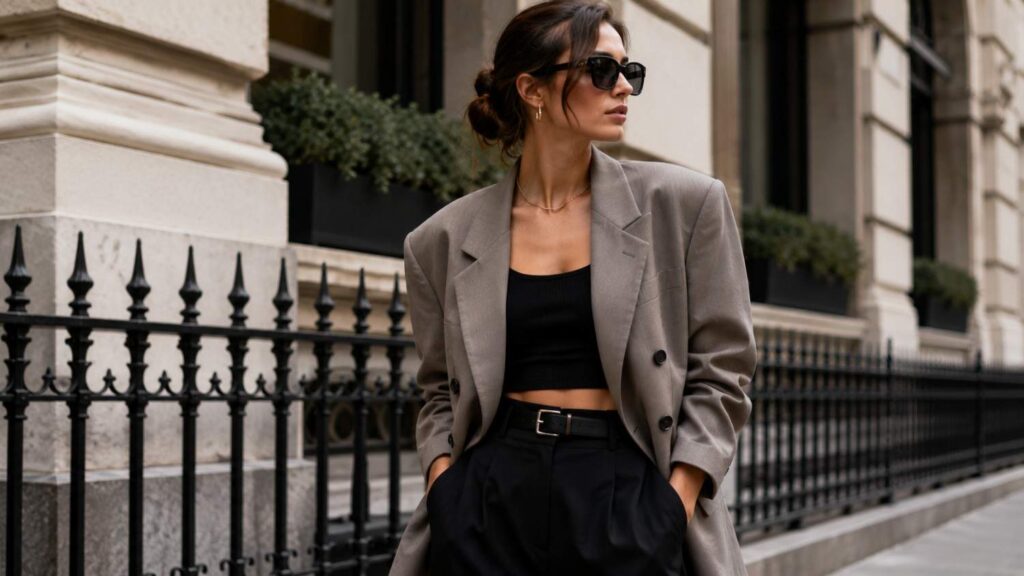
How to Style Oversized Blazers Like a Pro: A Complete Outfit Guide
An oversized blazer can transform a simple outfit by adding structure, confidence, and visual interest. It combines the authority of traditional tailoring with the comfort of a more relaxed silhouette, which makes it suitable for offices, weekends, travel, dinners, and transitional weather. A basic T-shirt and jeans can immediately look more polished when a well-cut blazer is added, while dresses and skirts can gain contrast from the jacket’s sharper lines.
The difficulty lies in managing proportion. A blazer that is broad through the shoulders, long through the body, and cut with extra fabric can dominate the wearer when every supporting item is equally heavy or undefined. However, the answer is not always to pair it with skin-tight clothing. Contemporary outfits often combine oversized tailoring with wide-leg trousers, loose denim, or longer skirts. These combinations work when the waist, neckline, hem, fabric, or footwear provides enough direction.
Learning how to style oversized blazers like a pro therefore requires more than memorizing a few outfits. It involves understanding fit, garment construction, fabric weight, body proportions, seasonal layering, and the relationship between formal and casual pieces.
In my experience, the most successful outfit begins with one clear intention. Decide whether you want the blazer to feel professional, relaxed, elegant, edgy, or minimal. Once that purpose is clear, every other item becomes easier to select. The following sections explain how to choose the right blazer, balance its proportions, adapt it to different seasons, and create dependable outfit formulas without losing your individual style.
Choose an Oversized Blazer That Looks Intentional
The quality of the final outfit depends heavily on the blazer itself. Styling techniques can improve a roomy jacket, but they cannot completely correct a garment whose shoulders, collar, armholes, or proportions are unsuitable for the wearer. An intentional oversized blazer should look relaxed while still showing evidence of thoughtful construction.
Begin by examining the garment from several angles. The collar should sit close enough to the neck that it does not create a wide gap. The lapels should lie reasonably flat, and the fabric should fall cleanly from the shoulders rather than twisting toward the front or back. Extra width through the body is expected, but pulling, collapsing, or deep diagonal creases may suggest that the cut is not working.
Consider whether the blazer was designed as an oversized piece or whether it is simply a larger size of a standard fitted style. A purpose-designed oversized blazer usually includes proportionally adjusted sleeves, dropped shoulders, larger armholes, and a longer body. Sizing up in a regular blazer can work, but the result may require more careful evaluation.
The intended use should also influence your choice. A structured wool blazer can support professional outfits and heavier layers, while linen or unlined cotton creates a softer warm-weather appearance. Leather and suede feel more directional and usually become the focal point of the outfit.
Before purchasing, test the blazer with the clothing you expect to wear underneath it. Move your arms, sit down, button it, and carry your usual bag. A visually attractive jacket will not become a wardrobe staple if it restricts movement or only works in one carefully arranged pose.
Understand the Difference Between Oversized and Too Big
An oversized blazer is intentionally designed to create additional width, length, or volume while preserving a controlled silhouette. A blazer that is simply too big often shows problems in several areas at once. The collar may lift away from the neck, the shoulder seams may collapse, the sleeves may cover the hands completely, and the body may twist instead of hanging vertically.
A deliberate oversized shape usually has a clear design direction. The shoulders may be extended or dropped, but the line remains defined. The sleeves may be long, yet they can be pushed up or tailored without distorting the jacket. The body may be boxy, but the lapels and front panels still create clean vertical lines.
When sizing up in a conventional blazer, begin carefully. One size larger may create a relaxed effect, while moving several sizes up can cause the neck, armholes, and sleeve proportions to become difficult to manage. The exact result depends on the original cut.
Try the jacket over a fitted top and a lightweight knit. If it works only over one very thin garment, it may not be versatile enough. The right oversized blazer should allow layering while still looking purposeful when worn over a simple T-shirt.
Check the Shoulders, Sleeves, and Length
The shoulders determine much of the blazer’s visual impact. A slightly extended or dropped shoulder creates a relaxed, contemporary shape, while strong padding adds authority and width. Neither option is automatically more flattering; the best choice depends on the effect you want and how the jacket relates to your natural frame.
Check whether the shoulder line remains smooth. Excess fabric should not collapse into deep folds near the upper arms. If the shoulder pads sit far beyond the body and bend downward, the jacket may look incorrectly sized rather than intentionally oversized.
Sleeve length is more flexible. Full-length sleeves can reach the wrist or extend slightly past it, especially when the styling includes pushing them up. However, sleeves that cover the hands may interfere with movement and make the outfit look unfinished. Tailoring sleeve length is often easier than changing the shoulder structure.
Length affects proportion just as strongly. A hip-length blazer feels versatile, while an upper-thigh design creates a dramatic longline effect. Petite wearers may prefer a jacket that does not end at the widest part of the leg. Taller wearers can often carry additional length comfortably, but every wearer should consider how the hem interacts with skirts, shorts, trousers, and dresses.
Select the Right Fabric and Structure
Fabric determines whether an oversized blazer appears crisp, relaxed, luxurious, or casual. Structured wool, twill, and heavier blends hold their shape and create clearer shoulders. These materials work well for professional environments, cool weather, and outfits that need a polished finish. They also pair naturally with denim, boots, tailored trousers, and knitwear.
Linen, cotton, and lightweight blends produce a softer drape. They are useful for spring and summer because they feel less visually heavy and can be layered over tanks, dresses, shorts, and lightweight trousers. Natural wrinkling is part of linen’s character, but the garment should still look intentionally pressed and cared for.
Leather and suede create a stronger statement. Because these materials add texture and visual weight, the surrounding outfit usually benefits from simpler colors and streamlined accessories. A leather blazer can replace a conventional jacket in evening or casual outfits, while suede introduces warmth and depth.
Construction matters alongside fabric. A fully lined blazer tends to hold a sharper shape, while an unlined design moves more freely. Consider climate, intended layers, and care requirements. The most useful fabric is not necessarily the most expensive one; it is the material that supports your lifestyle and the outfits you plan to repeat.
Balance the Blazer’s Proportions
Proportion describes how the width, length, and visual weight of each garment relate to one another. An oversized blazer adds immediate volume around the shoulders, chest, and hips, so the remaining outfit should either balance that volume or continue it in a clearly deliberate way. The objective is not to make the body look smaller. It is to create a readable silhouette.
Beginners often find it easiest to combine the blazer with one streamlined element. This may be a fitted top, visible waistband, narrow skirt, straight-leg jean, exposed ankle, or delicate shoe. That single point of definition gives the eye somewhere to rest and prevents the jacket from appearing disconnected from the wearer.
More advanced styling can involve volume on both the top and bottom. A roomy blazer can work with wide-leg trousers, a full midi skirt, or relaxed denim when the outfit contains structure elsewhere. A tucked base layer, strong shoulder line, defined trouser crease, pointed shoe, or compact bag can organize the look.
Length relationships are equally important. A long blazer over a very long top and very long trousers may create too many uninterrupted layers. Shortening one visible element—such as exposing the waistband or wrist—can make the outfit feel lighter.
One thing I always check is whether the outfit has a clear vertical or horizontal direction. Open lapels create a vertical line, while a belt creates a horizontal focal point at the waist. Understanding these simple visual effects allows you to adjust the same blazer for different bodies, occasions, and style preferences.
Use a Fitted or Streamlined Base Layer
A fitted or visually streamlined base layer is one of the easiest ways to balance a large blazer. Suitable options include a ribbed tank, bodysuit, close-fitting T-shirt, fine-knit sweater, camisole, or neatly tucked shirt. These pieces reduce bulk beneath the jacket and keep the lapel area clean.
The base does not need to be extremely tight. A soft T-shirt or lightweight knit can provide enough contrast as long as it lies smoothly and does not create heavy folds. Neckline also matters. Crew necks feel casual and classic, while square, scoop, or V-necklines create more open space around the chest and can make the outfit appear lighter.
Tucking the top into trousers or a skirt establishes a visible waist, even when the blazer remains open. A partial tuck can create a relaxed result, while a full tuck looks cleaner and more professional.
Color can reinforce the balance. A dark fitted base under a lighter blazer creates strong contrast, while matching the base to the trousers produces a continuous column beneath the jacket. Both methods make the oversized silhouette easier to control. Choose the approach that supports the occasion and the level of visual drama you prefer.
Define the Waist Without Losing the Relaxed Shape
Waist definition can make an oversized blazer feel more tailored, but it does not need to remove all of the garment’s volume. The simplest method is to tuck the base layer into high- or mid-rise bottoms. This keeps the waist visible while allowing the jacket to hang naturally around it.
A cropped top can achieve a similar effect, particularly with high-rise trousers or skirts. Only a small section of the waist needs to be visible for the proportions to feel intentional. This technique works well in casual and evening outfits but may require adjustment for professional settings.
Belting the blazer creates a stronger transformation. A slim belt adds subtle shape, while a wider belt turns the jacket into the central statement. Place the belt near the natural waist and adjust the fabric evenly before fastening it. Double-breasted blazers may require a longer or more flexible belt because of their additional front fabric.
You can also create indirect waist definition through color blocking. A darker base layer and lighter open blazer naturally frame the center of the body. The goal is not to force an hourglass silhouette. It is to provide enough structure that the oversized jacket looks selected and styled rather than simply worn without consideration.
Combine Volume With Volume Carefully
Wearing an oversized blazer with wide-leg trousers, baggy jeans, or a full skirt can create a modern and confident outfit. The combination works best when the fabrics, lengths, and focal points are controlled. Without those elements, the silhouette may appear heavy from top to bottom.
Begin with the waistband. A tucked or cropped top keeps the center of the outfit visible and separates the blazer from the lower volume. If the top must remain untucked, choose one that does not extend far below the jacket or create several competing hems.
Fabric movement also matters. A structured blazer often pairs well with fluid trousers because the contrast prevents the outfit from becoming stiff. Alternatively, a soft blazer can work with denim or sharply pressed trousers that provide more definition.
Footwear should have enough presence to support the lower half. Pointed flats, loafers, boots, platforms, or heels can remain visible beneath a wide hem. Very delicate shoes may disappear unless the trousers are cropped.
Finally, keep accessories controlled. A structured bag, simple belt, or clean jewelry can organize the look. The intention should be visible: relaxed tailoring, not accidental excess.
Use Reliable Oversized Blazer Outfit Formulas
Outfit formulas make an oversized blazer easier to wear because they reduce the number of decisions required each morning. Instead of creating a completely new combination every time, begin with a dependable structure and adjust the colors, fabrics, and accessories. This approach is particularly useful for capsule wardrobes and busy professional routines.
The most reliable formulas balance the jacket with a clear base layer, a purposeful bottom, and footwear that matches the occasion. A white T-shirt, straight-leg jeans, and loafers create an accessible casual outfit. A fine knit, tailored trousers, and slingbacks shift the same blazer into business-casual territory. A camisole, satin skirt, and heels create an evening look without requiring a separate jacket.
Color coordination can simplify the process further. Neutral blazers in black, navy, gray, camel, chocolate, or cream can move easily between dress codes. A bold or patterned blazer requires slightly more restraint, but it can still work within the same formulas.
Use accessories to change the tone instead of replacing every garment. A structured tote makes the outfit office-ready, while a crossbody bag and sneakers make it more relaxed. Jewelry can also shift the mood from minimal to polished or expressive.
The table below provides practical starting points. These combinations are not strict rules. They are frameworks that can be adapted to personal style, climate, workplace expectations, and the exact cut of the blazer.
| Occasion | Base Layer | Bottom | Shoes | Finishing Detail |
|---|---|---|---|---|
| Casual weekend | White tee or tank | Straight-leg jeans | Sneakers or loafers | Crossbody bag |
| Business casual | Fine knit or shirt | Tailored trousers | Loafers or slingbacks | Structured tote |
| Evening | Camisole or fitted top | Leather trousers or slip skirt | Heels or sleek boots | Statement earrings |
| Warm weather | Ribbed tank | Shorts or light dress | Sandals or ballet flats | Small shoulder bag |
| Cold weather | Turtleneck | Wide-leg wool trousers | Ankle or knee boots | Scarf and leather bag |
Build a Casual Blazer-With-Jeans Outfit
A blazer with jeans is one of the most practical ways to introduce relaxed tailoring into an everyday wardrobe. Begin with a simple base such as a white T-shirt, ribbed tank, polo, striped knit, or lightweight sweater. The base should be comfortable enough for daily wear but neat enough to support the jacket.
Straight-leg jeans are an especially reliable choice because they create balance without appearing overly narrow or excessively loose. Bootcut jeans can lengthen the lower silhouette, while relaxed or baggy denim creates a more directional look. Dark washes feel polished, medium blue feels classic, and faded denim creates stronger contrast with formal tailoring.
Footwear determines the mood. Sneakers make the outfit practical and modern, loafers add refinement, ballet flats create a softer finish, and ankle boots work well in colder weather.
Add a belt, simple jewelry, and a crossbody or structured shoulder bag. If the blazer feels too formal, push up the sleeves or wear it open. If the jeans are distressed, keep the remaining pieces clean. The finished outfit should feel casual by intention rather than like office clothing worn without adjustment.
For additional everyday styling ideas, this collection of oversized blazer outfit inspiration showcases versatile combinations that complement the outfit formulas discussed here.
| Occasion | Recommended Blazer Style | Best Bottoms | Ideal Footwear | Styling Focus |
|---|---|---|---|---|
| Office | Structured oversized blazer | Tailored trousers | Loafers or slingback heels | Professional and polished appearance |
| Casual Day Out | Relaxed linen blazer | Straight-leg jeans | White sneakers | Comfortable everyday styling |
| Evening Event | Double-breasted blazer | Slip skirt or leather trousers | Pointed heels | Elegant statement look |
| Weekend Brunch | Lightweight oversized blazer | Shorts or midi skirt | Ballet flats | Relaxed and effortless outfit |
| Cold Weather | Wool oversized blazer | Wide-leg wool trousers | Ankle boots | Warm layered styling |
Create an Oversized Blazer Work Outfit
A professional oversized blazer outfit should combine relaxed tailoring with enough structure to respect the workplace dress code. Start with a fine-knit top, collared shirt, silk-style blouse, or high-quality plain T-shirt if the environment permits it. Avoid excessive fabric beneath the blazer, particularly when the jacket is heavily structured.
Tailored trousers create the most dependable pairing. Straight, tapered, or wide-leg styles can all work when the waist and hem are controlled. A midi skirt or column dress offers an alternative for readers who prefer a less trouser-focused wardrobe.
Choose polished footwear such as loafers, slingbacks, pumps, minimal ankle boots, or refined flats. The shoes should be clean and compatible with the trouser length. A structured tote or top-handle bag reinforces the professional finish.
Keep accessories intentional. A watch, small earrings, a simple necklace, or one sculptural piece is usually sufficient. If the blazer is patterned or brightly colored, keep the base neutral. If the blazer is black, navy, or gray, color can be introduced through the blouse, bag, or footwear.
The result should communicate ease without appearing careless. Relaxed tailoring works best at work when the surrounding pieces show clear attention to fit and presentation.
Style the Blazer for an Evening Look
Evening styling allows more contrast, texture, and skin exposure than daytime outfits. Pair the blazer with a fitted camisole, satin top, bodysuit, slip dress, mini skirt, leather trousers, or fluid midi skirt. The structured jacket creates an effective counterpoint to softer or more body-skimming pieces.
You can wear the blazer open to reveal the base layer or button it and treat it as the main top. A long blazer may also work as a blazer dress when the length provides adequate coverage and the fit remains secure. Adding a belt can create additional definition.
Tonal dressing is particularly effective for evening. Combine several shades from the same color family, such as black with charcoal, cream with ivory, or chocolate with warm brown. This creates depth without introducing several competing colors.
Shoes should support the desired mood. Sleek ankle boots feel modern, slingbacks feel refined, and pointed heels create a sharper finish. Add one focal accessory, such as sculptural earrings, a metallic bag, or a bold cuff.
Avoid overloading the look with multiple statement pieces. The blazer already has visual authority. Allow the fabric, neckline, or one accessory to provide the evening interest.
Related Articles
Adapt Oversized Blazers to Every Season
An oversized blazer can function as indoor tailoring, light outerwear, or an additional insulating layer. Its seasonal versatility depends on fabric, lining, color, and the clothing worn underneath. A wardrobe does not necessarily require a different blazer for every season, but understanding material and layering choices will make the garment more useful.
Spring and autumn are natural blazer seasons because temperatures often change throughout the day. A medium-weight wool blend, twill, or lined cotton blazer can be worn over shirts, dresses, and light knitwear. During warmer months, linen and unstructured cotton reduce visual and physical weight. In winter, wool, tweed, suede, and leather can support heavier trousers, boots, and knitwear.
Color can also signal season without changing the basic silhouette. Cream, stone, light gray, pale blue, and soft earth tones feel fresh in spring and summer. Charcoal, chocolate, burgundy, navy, and camel integrate easily into autumn and winter wardrobes.
The most important principle is to match the blazer’s internal space with the intended layers. A narrow armhole or close sleeve may work over a tank but feel restrictive over a sweater. If the blazer will serve as outerwear, test it over the thickest realistic layer before purchasing.
Seasonal styling should remain practical. Breathability matters in warm weather, while insulation and movement matter in cold weather. The following approaches allow the same relaxed tailoring concept to work throughout the year.
Wear Lightweight Blazers in Spring and Summer
For warm weather, choose linen, cotton, seersucker, lightweight wool, or an unstructured blend. These fabrics allow more airflow and create a softer silhouette than heavily padded tailoring. Partial lining or an unlined construction can also improve comfort, although the blazer may wrinkle more easily.
Wear the jacket over a ribbed tank, sleeveless knit, lightweight T-shirt, camisole, or simple summer dress. Shorts can create a balanced outfit when their hem remains clearly visible below the blazer. If the jacket is very long, tailored shorts or a short skirt should still provide enough contrast to look intentional.
Light and neutral colors reflect the season naturally. White, cream, beige, soft gray, olive, and pale blue are easy to combine with denim, linen trousers, or dresses. However, black can still work when the fabric is breathable and the remaining outfit is visually light.
Finish with sandals, loafers, ballet flats, or minimal sneakers. Rolling or pushing the sleeves exposes the wrists and reduces the blazer’s visual weight. Keep accessories compact and practical. A small shoulder bag, sunglasses, and simple jewelry usually provide enough detail for a polished warm-weather outfit.
Layer Wool and Textured Blazers in Autumn and Winter
Cold-weather styling allows the oversized blazer to function as a substantial layer. Wool, tweed, brushed blends, suede, corduroy, and leather provide texture and visual depth while coordinating naturally with denim, boots, and knitwear.
Begin with a thin turtleneck, knit polo, fitted sweater, or button-down shirt. The base should provide warmth without creating uncomfortable bulk in the sleeves and armholes. In less formal settings, a hoodie can create a deliberate high-low contrast, but its hood and body should sit cleanly beneath the blazer.
Pair the jacket with wool trousers, dark denim, leather trousers, or a longer skirt. Knee boots, ankle boots, loafers with socks, or substantial sneakers create enough visual weight to support the heavier fabric.
Texture mixing can make a neutral outfit more interesting. A charcoal wool blazer over a fine black knit and leather trousers creates depth through surface variation. A brown suede blazer with denim and a cream sweater feels warmer and more relaxed.
If the blazer is being worn beneath a coat, ensure the outer coat has enough room in the shoulders. Compressed layers can distort the blazer and restrict movement.
| Fabric Type | Best Season | Styling Purpose | Overall Look | Suitable Occasions |
|---|---|---|---|---|
| Linen | Spring & Summer | Breathable everyday wear | Light and relaxed | Casual outings, vacations |
| Cotton | Spring & Autumn | Comfortable layering | Smart casual | Daily wear |
| Wool | Autumn & Winter | Warm structured outfits | Classic and refined | Office, formal occasions |
| Leather | Autumn & Winter | Statement styling | Bold and modern | Evening wear |
| Tweed | Winter | Textured seasonal outfits | Timeless and sophisticated | Business casual, events |
Use the Blazer as a Transitional Layer
Transitional weather requires clothing that can adapt as temperatures change. An oversized blazer works well because it can be worn over removable layers and carried more easily than a heavy coat. Choose a medium-weight fabric that is substantial enough for cool mornings but comfortable indoors.
A shirt, lightweight cardigan, fine knit, or thin hoodie can sit beneath the blazer. Each layer should remain visually complete on its own so that removing the jacket does not leave the outfit unfinished. This is particularly important for commuting, travel, and long days that move between indoor and outdoor environments.
Neutral colors increase versatility. Navy, charcoal, camel, olive, black, and taupe coordinate with both warm- and cool-season palettes. A subtle check can also work if the supporting clothing remains simple.
Consider practical details such as pockets, lining, and sleeve width. A blazer used as outerwear should hold essentials and accommodate movement. Water-resistant fabric can be useful in unpredictable weather, although most tailored blazers should not replace proper rain protection.
Complete the outfit with shoes that tolerate changing conditions. Loafers, ankle boots, leather sneakers, and closed-toe flats are dependable options. A scarf or lightweight knit can add warmth without requiring an entirely different outfit.
Choose Shoes and Accessories That Complete the Look
Shoes and accessories often determine whether an oversized blazer reads as casual, professional, minimalist, romantic, or edgy. The jacket already contributes significant visual structure, so the finishing pieces should clarify the outfit rather than compete with it.
Start with footwear because it affects the entire silhouette. A sneaker relaxes the blazer and makes it suitable for errands or travel. A loafer supports business-casual dressing. A ballet flat introduces a lighter, softer line, while a boot adds weight and seasonal practicality. Heels can lengthen the lower body and create a more formal effect.
The bag should relate to both the blazer and the occasion. Structured bags reinforce tailoring, while slouchy totes make it more casual. A small shoulder bag can create useful contrast with a broad jacket. Crossbody straps should be positioned carefully because they can pull the blazer or distort the lapels.
Belts allow you to change the garment’s structure. Jewelry, scarves, sunglasses, and watches can introduce personality, but they should be selected with awareness of the lapels, buttons, and fabric pattern.
Color coordination is the final consideration. Accessories can repeat a color already present in the outfit, introduce one controlled contrast, or support a tonal palette. When the blazer is patterned, textured, or brightly colored, quieter accessories usually produce a more polished result.
Match the Footwear to the Desired Mood
Footwear changes the message of an oversized blazer more quickly than almost any other item. Clean sneakers make tailoring approachable and practical, especially when paired with denim, leggings, or relaxed trousers. Low-profile sneakers create a lighter silhouette, while chunky styles add more visual weight.
Loafers are ideal for polished daytime outfits. They work with straight-leg jeans, tailored trousers, midi skirts, and dresses. Ballet flats and slingbacks soften the blazer’s structured lines and are particularly effective when the ankle remains visible.
Pointed heels create a sharper evening or professional finish. They can also balance wide-leg trousers by extending the visual line of the leg. Ankle boots work well with cropped or full-length trousers, while knee boots pair naturally with mini skirts, dresses, and longer blazers.
Always check the relationship between the shoe and the hem. A wide trouser leg should fall cleanly rather than bunch around the foot. Cropped trousers can support a delicate shoe, while longer trousers often require a more defined toe or heel.
Comfort remains essential. A visually balanced outfit loses its usefulness if the footwear prevents normal movement. Choose the level of formality and height that suits the actual occasion.
Use Belts, Bags, and Jewelry Strategically
A belt can completely change the shape of an oversized blazer. A slim belt creates subtle definition and works well for professional or minimalist outfits. A wider belt produces a stronger fashion statement and can transform a long blazer into a dress-like silhouette.
Position the belt near the natural waist, then distribute the blazer fabric evenly before fastening it. Avoid pulling the belt so tightly that the lapels twist or the front panels overlap awkwardly. A double-breasted blazer may require more adjustment because it contains additional fabric.
Bag size changes the visual balance. A small structured bag contrasts effectively with a large jacket and works well for evening or polished daytime outfits. A roomy tote supports workwear and travel, while a crossbody bag creates a casual result. Ensure that the strap does not crush padded shoulders or pull one lapel out of place.
Jewelry should support the neckline and lapels. Small hoops, a watch, or simple rings create a clean finish. A sculptural necklace can work when the base layer has an open neckline, but multiple large pieces may compete with the blazer.
Accessories should appear connected to the outfit. Repeating a metal, color, or shape can make the final styling feel deliberate.
Coordinate Color and Pattern
Neutral blazers in black, navy, charcoal, camel, chocolate, cream, or gray are easy to integrate into a capsule wardrobe. They can be styled with tonal outfits, contrasting denim, patterned shirts, or brighter accessories. A neutral jacket also allows more experimentation with texture and silhouette.
Tonal dressing uses several shades from the same color family. For example, a camel blazer can be paired with a cream knit, beige trousers, and brown shoes. The colors do not need to match exactly. Slight variation creates depth and prevents the outfit from appearing flat.
When the blazer contains checks, stripes, herringbone, or a bold color, simplify the base. Solid trousers and a plain top allow the jacket to remain the focal point. Pattern mixing can work, but the prints should usually share a color or differ clearly in scale.
Use accessories to repeat or balance color. A bag can echo one shade in a checked blazer, while shoes can match the base layer. Avoid introducing several unrelated accent colors unless the outfit is intentionally expressive.
Beginners can start with two neutrals and one accent. Advanced dressers may experiment with complementary colors, monochromatic layering, or mixed patterns while maintaining a clear visual hierarchy.
If you’re experimenting with different shades and layering combinations, these color styling ideas provide practical examples of pairing oversized blazers with both neutral and statement pieces.
Style the Blazer for Your Height and Proportions
Oversized tailoring can work across different heights, body shapes, and gender expressions. The purpose of proportion guidance is not to impose rules or make every body appear identical. It is to explain how garment length, shoulder width, waist placement, and fabric volume affect the overall silhouette.
A person with a petite frame may want to reduce uninterrupted fabric by exposing the wrist, ankle, or waist. Someone with broad shoulders may choose softer padding when they do not want to add additional width. A tall wearer may enjoy dramatic longline blazers and wider trousers, while a curvier wearer may prefer a jacket that skims cleanly over the hips.
These are options rather than restrictions. A petite person can wear a very long blazer, and someone with broad shoulders can wear strong padding. The outfit simply needs enough intention to make the proportion look chosen.
Consider where the blazer ends. A hem that stops at the widest part of the hip may create a horizontal line, while a slightly longer jacket can skim over that area. Sleeve length affects visual scale, and button placement influences where the eye perceives the waist.
Personal comfort should remain the final standard. The garment must allow normal movement, sitting, layering, and daily activities. Styling advice is useful only when it helps the wearer create an outfit that feels both visually coherent and personally authentic.
Styling an Oversized Blazer for Petite Frames
Petite wearers can style oversized blazers successfully by controlling a few key proportions. Begin with the shoulder line. A lightly extended shoulder usually creates the relaxed effect without overwhelming the upper body. Strong padding can also work, but the rest of the outfit may need to remain cleaner.
Length deserves careful attention. A jacket ending around the hip or upper thigh is generally versatile, while a very long blazer creates a more dramatic statement. The longer option can still work when the waist, leg line, or footwear provides direction.
Expose smaller areas of the body to break up the fabric. Push up the sleeves to show the wrists, choose cropped trousers to reveal the ankle, or wear an open neckline. These details create visual pauses without requiring tight clothing.
High-rise trousers and a tucked base layer can lengthen the lower body. A monochromatic outfit also reduces horizontal interruptions. Shoes with a low vamp, pointed toe, or modest heel may extend the line of the leg, although comfortable flats remain equally valid.
Avoid treating petite styling as a list of prohibitions. The goal is not to avoid volume but to place it intentionally. A strong oversized silhouette can look highly polished on a smaller frame when the outfit has clear structure.
Styling Curves, Broad Shoulders, or a Tall Frame
Curvier wearers may prefer a blazer that follows the body cleanly without gripping the chest or hips. A single-breasted style creates a long vertical opening, while a double-breasted jacket adds more front structure and visual weight. Both can work when the buttons, lapels, and hem sit correctly.
If waist definition is desired, add a belt or choose trousers with a visible high rise. An open blazer over a monochromatic base can also create a strong vertical line without physically shaping the jacket.
People with broad shoulders may select softer padding, narrower lapels, or fluid fabrics when they want to reduce emphasis on the upper body. Those who enjoy architectural tailoring can instead choose strong shoulders and balance them with wide-leg trousers or substantial footwear.
Tall wearers can often experiment with longline blazers, extended sleeves, and layered proportions. However, they should still check that the garment is intentionally oversized rather than simply long enough in one area and incorrectly fitted in another.
The most flattering choice is not universal. Consider the desired visual effect: sharper shoulders, a defined waist, longer legs, or an uninterrupted column. Select the cut that supports that goal while allowing comfortable movement.
Prioritize Comfort and Personal Style
A blazer should allow you to move your arms, sit comfortably, carry a bag, and wear the intended layers underneath. Restricted movement usually indicates that the armholes, shoulders, or upper back are too tight, even when the body of the jacket appears oversized.
Test the garment in realistic situations. Reach forward, lift your arms, button it, sit down, and place your hands in the pockets. If the blazer pulls severely or shifts out of place, the cut may not suit your body or intended use.
Personal style should guide the final silhouette. Some wearers prefer a sharply defined waist and polished footwear. Others choose a loose, architectural shape with wide trousers and chunky shoes. Neither approach is more correct. The outfit succeeds when its elements communicate the same intention.
Do not keep a blazer simply because it follows a trend. Consider whether it works with at least several items already in your wardrobe. A useful jacket should coordinate with jeans, trousers, dresses, or skirts according to your lifestyle.
Confidence comes from familiarity and comfort rather than forcing yourself into a prescribed formula. Use proportion advice as a set of tools. Keep the techniques that improve your outfits and ignore those that do not support your identity or practical needs.
Avoid Common Oversized Blazer Styling Mistakes
Most unsuccessful oversized blazer outfits are not caused by the general silhouette. They result from poor fit, unclear proportions, excessive visual competition, or unfinished styling details. These issues are usually correctable once you know what to examine.
The first mistake is assuming that any larger blazer will create a fashionable oversized effect. A jacket can have additional room while still fitting poorly around the neck, shoulders, and armholes. Volume should appear controlled rather than random.
Another problem is using too many focal points. A bold blazer, patterned trousers, oversized bag, statement jewelry, and heavy footwear may each look strong individually. When combined without a clear color or shape relationship, they can make the outfit difficult to read.
Small finishing details also matter. Unevenly pushed sleeves, twisted lapels, visible lining, or a poorly placed crossbody strap can make otherwise strong tailoring appear careless. Relaxed clothing still benefits from deliberate presentation.
Occasion should guide styling. A blazer worn with distressed denim and sneakers may be ideal for a weekend but unsuitable for a conservative workplace. The same jacket can often move between settings when the base layer, footwear, and accessories change.
Finally, avoid following proportion advice so rigidly that the outfit loses personality. Styling principles should help organize the silhouette, not remove experimentation. The objective is an intentional appearance that suits the wearer and the setting.
Do Not Confuse Poor Fit With Intentional Volume
An oversized blazer may have extended shoulders, long sleeves, and a loose body, but the garment should still hang in a controlled way. Poor fit often reveals itself through several warning signs. The collar may stand away from the neck, the upper back may form deep folds, or the lapels may twist instead of lying flat.
Examine the shoulder pads. They should maintain their shape rather than collapsing down the arm. A dropped shoulder can be intentional, but a seam that falls unpredictably and creates bunching may indicate that the jacket is simply too large.
Sleeves can often be shortened, and minor waist adjustments may be possible. Shoulder reconstruction is more complex and may cost more than the blazer is worth. Purchase according to the shoulder and upper-back fit whenever possible.
Button the jacket during fitting, even if you expect to wear it open. Severe pulling or distorted lapels can reveal an unsuitable cut. Also check the side and back views.
Intentional volume should create clean lines, not visual disorder. When the blazer appears wrong in several structural areas, styling tricks will have limited effect. A different cut or purpose-designed oversized model is usually the better solution.
Avoid Making Every Item a Focal Point
A successful outfit needs a visual hierarchy. One element should attract attention first, while the remaining pieces support it. An oversized blazer naturally has presence because of its scale, shoulders, and lapels. Adding several equally dominant items can make the outfit feel crowded.
If the blazer is brightly colored, heavily patterned, embellished, or made from leather, keep the base relatively simple. Solid trousers, a plain top, and restrained shoes allow the jacket to remain the focus.
When the blazer is neutral, another item can take the lead. This might be a patterned skirt, statement shoe, sculptural bag, or bold necklace. The neutral tailoring then provides structure rather than competition.
Volume also functions as a focal point. A very large blazer and extremely wide trousers already create a dramatic silhouette. Additional oversized accessories may be unnecessary unless the look is intentionally maximalist.
Use repetition to create unity. Matching the shoe color to the bag or repeating one color from the blazer pattern can connect the outfit. The goal is not minimalism in every case. It is clarity. Even an expressive outfit should make its central idea understandable at a glance.
Finish the Outfit Before Leaving
Relaxed tailoring looks most effective when the final details appear deliberate. Before leaving, straighten the lapels, check the collar, and decide whether the blazer should remain open, buttoned, or belted. Avoid repeatedly changing the closure without considering how it affects the base layer.
If you push up the sleeves, adjust them evenly enough to look intentional. Sleeve holders or light elastic bands can help maintain the shape, but they should not be visible or restrict circulation. When rolling lined sleeves, ensure the lining contributes to the look rather than appearing accidental.
Check the outfit from the side and back. A blazer may look balanced from the front but bunch above a bag, pull across the shoulders, or interact awkwardly with a skirt or trouser hem. Make sure crossbody straps and backpacks do not distort the jacket.
Remove lint, loose threads, and visible creases when the fabric requires a smoother finish. Linen can retain natural texture, but wool and structured fabrics generally look better when properly steamed.
These small steps do not make the outfit formal. They simply show that the volume and styling choices are intentional. A polished result often depends more on these adjustments than on purchasing additional clothing.
Frequently Asked Questions About How to Style Oversized Blazers Like a Pro
Oversized blazer styling often raises questions because traditional tailoring advice focuses on close shoulder alignment, precise waist shaping, and conventional sleeve lengths. Relaxed tailoring intentionally changes some of those rules, but it does not remove the need for proportion, comfort, or garment quality.
The most common questions involve what to wear beneath the blazer, whether petite people can carry the silhouette, how to style wide trousers, and which shoes provide the right balance. Readers also want to know whether the jacket should remain open, be buttoned, or be shaped with a belt.
There is rarely one correct answer. The best solution depends on the blazer’s length, shoulder structure, fabric, and intended occasion. A lightweight linen blazer worn over a summer dress behaves differently from a padded wool blazer layered over a turtleneck. Similarly, a casual outfit with sneakers requires a different finish from a professional outfit with tailored trousers.
The answers below provide practical starting points while leaving room for personal style. Use them to understand how individual choices affect the silhouette rather than treating them as strict rules.
What should I wear under an oversized blazer?
A fitted T-shirt, tank, bodysuit, fine-knit sweater, camisole, or neatly tucked button-down provides the easiest balance. These base layers reduce bulk and allow the blazer’s lapels and shoulders to remain visually clear.
The base does not always need to be fitted. A loose shirt, hoodie, or relaxed knit can work when another part of the outfit provides structure. Show the waistband, expose the wrists, choose clean trousers, or use a compact bag to organize the volume.
Consider the occasion and fabric. A camisole suits evening styling, while a fine knit or collared shirt works well for professional settings. Tanks and plain T-shirts are ideal for casual outfits.
Color can also create structure. A monochromatic base beneath a contrasting blazer produces a clean vertical column. Alternatively, a light top beneath a dark jacket emphasizes the lapels.
The best layer should feel comfortable in the armholes and sleeves. If the blazer becomes tight or distorted over the intended top, a roomier cut may be necessary.
Can petite people wear oversized blazers?
Yes. Petite people can wear oversized blazers without losing their shape, provided the proportions feel intentional. A controlled shoulder line and manageable sleeve length are useful starting points because they prevent the upper body from appearing overwhelmed.
Length can be adjusted according to the desired effect. Hip- or upper-thigh styles are easy to wear, while longer jackets create a more dramatic look. When wearing a long blazer, show the waist, wrist, neckline, or ankle to create visual breaks.
High-rise trousers and a tucked top can lengthen the lower body. A monochromatic base also reduces horizontal interruptions. Pointed flats, low-vamp shoes, or a modest heel may extend the leg line, but they are optional rather than required.
Pushing up the sleeves is one of the simplest adjustments because it exposes the wrists and makes the jacket feel lighter. A smaller structured bag can also balance the blazer’s scale.
Petite styling should not be based on avoiding volume completely. The goal is to control where the volume appears and how it relates to the rest of the outfit.
Should an oversized blazer be buttoned or open?
Both options can look polished. Wearing the blazer open creates two vertical lines through the front of the outfit and allows the base layer and waistband to remain visible. This often makes the silhouette feel longer and more relaxed.
Buttoning the blazer creates a stronger, more traditional tailoring effect. It can be useful for professional settings, colder weather, or outfits where the jacket functions as the primary top. Check that the button closes without pulling or distorting the lapels.
A double-breasted blazer usually looks more structured when buttoned, while a single-breasted style may appear lighter when open. However, the fabric and cut influence the final result.
Adding a belt provides a third option. It defines the waist and can turn a long blazer into a dress-like outfit. Adjust the fabric evenly before fastening the belt.
Choose the closure according to the occasion and the base layer. If the top beneath the blazer is a focal point, leave it open. If the jacket itself should lead the outfit, buttoning or belting may work better.
Can I wear wide-leg trousers with an oversized blazer?
Yes. Wide-leg trousers and an oversized blazer can create an elegant, modern silhouette when the outfit contains enough structure. Begin by keeping the waistband visible with a tucked, fitted, or cropped base layer. This separates the upper and lower volume.
Fabric choice is important. Fluid trousers pair well with a structured blazer because the contrast creates movement. Sharply tailored trousers can work with a softer blazer, providing definition through the crease and waistband.
Check the length carefully. The trouser hem should fall cleanly without excessive bunching. Pointed shoes, loafers, boots, platforms, or heels can remain visible beneath the wider leg and help anchor the outfit.
A structured bag or simple belt can further organize the proportions. Avoid adding several bulky layers underneath the blazer unless the outfit is intentionally maximalist.
The combination should look relaxed by design rather than shapeless. When the waist, hem, or footwear provides direction, volume on both the upper and lower body can appear confident and sophisticated.
What shoes look best with an oversized blazer?
The best shoes depend on the occasion, trouser length, and overall mood. Sneakers create a relaxed, practical outfit and work especially well with jeans, leggings, or casual trousers. Loafers add polish without making the look overly formal.
Ballet flats and slingbacks soften the blazer’s stronger shoulders. They work well with cropped trousers, skirts, and dresses because the foot and ankle remain visible. Pointed pumps or heels create a sharper professional or evening finish.
Ankle boots are versatile in cooler weather and can be worn with denim, tailored trousers, or skirts. Knee boots pair effectively with mini skirts, dresses, and longer blazers. Chunky boots add visual weight and create an edgier appearance.
Consider how the shoe interacts with the hem. Wide or full-length trousers usually need a visible toe shape or substantial sole. Cropped trousers can support a more delicate shoe.
Comfort and context should guide the final decision. A shoe that supports normal movement and matches the setting will always look more convincing than one selected only for visual effect.
How can I make an oversized blazer look more feminine?
An oversized blazer can look feminine through fabric, color, styling, accessories, or contrast. Pair it with a camisole, fitted knit, slip skirt, dress, mini hemline, or softly draped trousers. These pieces create a visual contrast with the blazer’s structured shape.
Waist definition can also change the mood. Add a belt over the jacket, tuck the base layer into high-rise bottoms, or wear a cropped top underneath. The waist does not need to be tightly emphasized; even a small visible section can alter the proportion.
Footwear and jewelry contribute significantly. Ballet flats, slingbacks, pointed heels, delicate necklaces, hoops, or a small shoulder bag can soften the tailoring. Satin, silk-style fabric, lace, and fine knits introduce textural contrast.
Color offers another option. Cream, blush, burgundy, soft blue, or tonal neutrals may feel lighter than traditional black or charcoal, although dark colors can still appear feminine.
Femininity does not require tight or revealing clothing. A loose architectural outfit can feel feminine through movement, color, detail, and confidence. Select the elements that reflect your personal definition of the style.
Conclusion: Creating Polished Oversized Blazer Outfits
Learning how to style oversized blazers like a pro involves understanding fit, proportion, fabric, and occasion rather than following one fixed outfit rule. The blazer should look intentionally roomy, with a collar, shoulder line, sleeves, and body that remain controlled. A garment that is merely too large will usually show twisting, collapsed shoulders, or excessive fabric in several areas.
Once the fit is correct, decide where the outfit will create definition. A fitted base layer, visible waistband, exposed wrist, clean neckline, structured shoe, or compact bag can balance the jacket. Volume can also be combined with volume, provided the fabrics and lengths communicate a clear direction.
Reliable formulas make the blazer more useful. Jeans and sneakers create an accessible casual outfit, while tailored trousers and loafers support professional settings. Dresses, satin skirts, leather trousers, and heels can shift the jacket into evening wear. Seasonal fabrics extend its versatility further, from summer linen to winter wool.
Accessories should reinforce the intended mood. Belts provide waist definition, shoes anchor the silhouette, and bags control scale. Small finishing adjustments such as straightening the lapels or pushing up the sleeves make relaxed tailoring look deliberate.
Most importantly, adapt the advice to your body, wardrobe, and lifestyle. The best oversized blazer outfit is not the one that follows every trend. It is the one that feels comfortable, coherent, and recognizably personal.